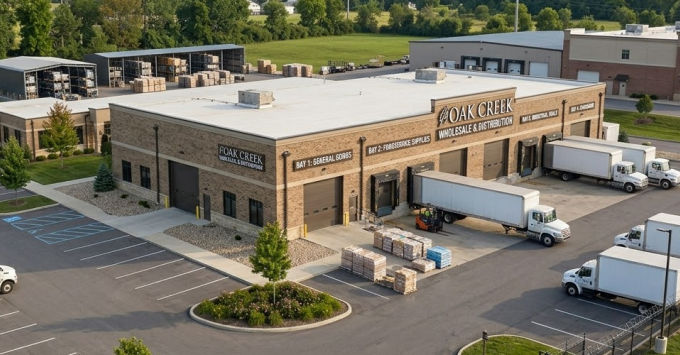
Wholesalers in the Phoenix area operate as intermediaries, purchasing goods in bulk from manufacturers or distributors and reselling them to retailers, other businesses, or service providers. This business model involves managing inventory, transportation, storage, and customer relationships, all of which create a unique set of risks. Effective insurance planning is essential to protect the business, employees, property, and clients from financial losses due to unforeseen events.
Property Protection
One primary exposure for wholesalers is property damage. Warehouses and storage facilities typically house large amounts of inventory, equipment, and supplies, making them vulnerable to fire, theft, vandalism, or weather-related perils. Commercial Property insurance may help protect buildings, equipment, and merchandise from covered risks. Many wholesalers also maintain delivery vehicles and specialized handling equipment, which may also be protected under property or inland marine policies. Adequate coverage limits and replacement cost options should be carefully reviewed to ensure all assets are properly valued.
Liability Coverage
Commercial General Liability (CGL) insurance is another key component of wholesaler coverage. CGL may help protect the business from claims of bodily injury or property damage to third parties. For example, if a visitor is injured at a warehouse or a client experiences property damage due to improperly stored products, this coverage may respond depending on policy terms. Legal defense costs are typically included within limits, and coverage can vary based on endorsements or exclusions.
Wholesalers often transport goods between suppliers, warehouses, and clients. Commercial Auto and Motor Truck Cargo coverage may help protect vehicles and the merchandise in transit. Commercial Auto insurance can provide liability and physical damage protection for company-owned or leased vehicles, while Motor Truck Cargo coverage may respond if goods are lost, damaged, or stolen during transportation. These coverages are especially important for wholesalers handling high-value, fragile, or temperature-sensitive inventory.
Employee Injury Coverage
Employees working in warehouses or distribution centers face risks related to lifting, operating machinery, slips and falls, or repetitive motion injuries. Workers’ Compensation insurance is generally required for employees and may provide medical care, wage replacement, and rehabilitation in the event of a workplace injury. Risk management practices such as training, ergonomic equipment, safety protocols, and proper handling procedures help reduce the likelihood of accidents and claims.
Depending on the type of goods handled, wholesalers may also consider Product Liability insurance, which may help cover claims arising from defective or unsafe products sold or distributed by the business. For example, if a consumer product distributed by a wholesaler causes injury or property damage, Product Liability may provide coverage, subject to policy terms, limits, and exclusions.
Operational risks for wholesalers can be complex due to multiple storage locations, transportation requirements, and interactions with various vendors and clients. Optional coverages may include Business Income to replace lost revenue during a covered interruption, Equipment Breakdown for machinery and storage systems, and Employment Practices Liability to address claims involving hiring, termination, discrimination, or harassment.
Phoenix-specific considerations for wholesalers include local warehouse regulations, zoning requirements, and fire safety standards. Seasonal weather patterns, such as monsoon storms, can create water damage exposures for both buildings and inventory. Businesses may need to implement measures such as proper drainage, covered storage, and climate-controlled areas for sensitive goods. Additionally, traffic congestion, urban development, and local delivery challenges may influence operational risk and insurance needs.
Risk Management
Wholesalers who operate both locally and regionally should also consider the effect of transportation routes, cargo handling, and third-party logistics providers on their insurance coverage. Policies should be reviewed regularly to ensure that new warehouses, vehicles, employees, or high-value inventory are adequately insured. Maintaining accurate records, inventory counts, and loss prevention measures can support both operational efficiency and insurance risk management.
Insurance programs for wholesalers are most effective when tailored to the size of the business, the types of products handled, the volume of inventory, and the methods of distribution. Working with an independent insurance agency allows businesses to compare multiple carriers and policy options to find coverage that matches the specific risks and operational needs of the business.
Peoples Insurance maintains a local office in the greater Phoenix area. Our agents are available to listen to your concerns and help you compare options from multiple carriers. As an independent insurance agency, we may offer broader flexibility than a captive agency, allowing coverage to be customized to meet the specific needs of your wholesaling operations. Contact us by phone, email, or online form to request a quote or review your coverage.


