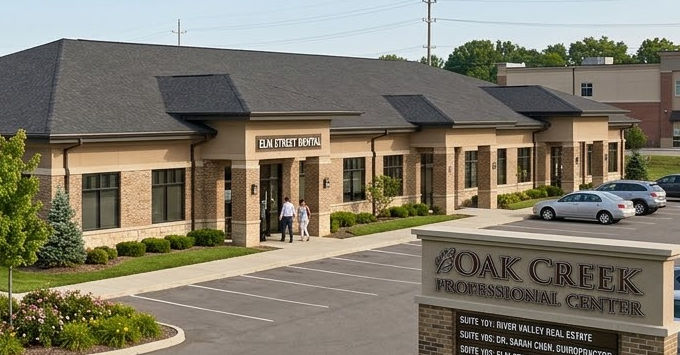
Office-based businesses in Phoenix cover a wide variety of industries, including administrative offices, consulting firms, legal offices, marketing agencies, financial services, and medical offices. While offices are generally considered lower risk than high-traffic or industrial businesses, they still face exposures that can impact property, liability, and employees. Proper insurance coverage is essential to protect these businesses from financial losses that may arise from unexpected events.
Liability Coverage
Commercial General Liability (CGL) insurance is often a cornerstone of office coverage. CGL may help protect businesses against claims of bodily injury or property damage. For example, if a client trips over a loose carpet or a visitor’s property is damaged while on the premises, this coverage may respond depending on policy terms. Liability exposures can also arise from hosting client meetings, seminars, or events on-site, as well as interactions with contractors and vendors.
Many office-based businesses also provide professional services, which can create additional exposures. Professional Liability (Errors and Omissions) insurance is commonly used for businesses that provide advice, consulting, design, or specialized services. This coverage may respond if a client alleges financial loss due to negligence, mistakes, or failure to deliver promised services. Policies vary in terms of limits, deductibles, and whether coverage is claims-made or occurrence-based. It’s important to review these details carefully to ensure adequate protection.
Property Protection
Commercial Property insurance is another essential component of office coverage. It may protect the building (if owned) and business contents, including computers, servers, furniture, documents, office equipment, and software. Property exposures can include fire, theft, vandalism, or certain weather events. Some policies may also cover specialized office equipment or technology. Businesses should evaluate the value of their assets and consider coverage limits that reflect replacement costs.
If a covered loss interrupts operations, Business Income coverage may help replace lost revenue and pay ongoing expenses, such as payroll, rent, utilities, and other operational costs. Even a temporary closure can have significant financial consequences, especially for businesses that rely on regular client interactions.
Employee Injury Coverage
Workers’ Compensation insurance is generally required for employees. Office workers face a range of risks, including slips, trips, repetitive strain injuries, or lifting-related injuries. Workers’ Compensation may help cover medical costs and lost wages if an employee is injured while performing job duties. Maintaining safe workplace practices, ergonomic equipment, and clear reporting procedures can help reduce these exposures.
Technology plays a critical role in modern offices, which introduces cyber exposures. Cyber Liability insurance may help address risks associated with data breaches, ransomware, and unauthorized access to sensitive client or employee information. Policies may include coverage for notification costs, legal defense, and potential fines or settlements. Businesses should also implement strong cybersecurity practices, employee training, and data backup procedures to minimize risks.
Optional coverages may include Employment Practices Liability (EPL), which may help address claims related to hiring, termination, discrimination, or harassment, and Commercial Auto, which may apply if the business uses vehicles to transport employees, equipment, or clients. Additionally, some offices may consider Equipment Breakdown insurance for servers, copiers, or other critical office machinery.
Managing risk in an office environment involves combining multiple coverages to address potential exposures. Policies should be reviewed regularly and updated to reflect changes in staff size, technology, office location, or services offered. Regular safety inspections, secure storage of sensitive documents, and clear operational procedures can further reduce the likelihood of claims.
Phoenix-specific considerations may include compliance with city and state regulations regarding fire safety, building codes, and accessibility requirements. Seasonal weather events, such as monsoon storms, may impact property and vehicle exposures, and businesses may need to implement plans to protect office assets from water damage or high winds. Local economic conditions, client demographics, and the type of office operations can also influence coverage needs and limits.
Peoples Insurance maintains a local office in the greater Phoenix area. Our agents are available to listen to your concerns and help you compare options from multiple carriers. As an independent insurance agency, we may offer broader flexibility than a captive agency, allowing you to tailor coverage to the specific needs of your office-based business. Contact us by phone, email, or online form to request a quote or review your coverage.


