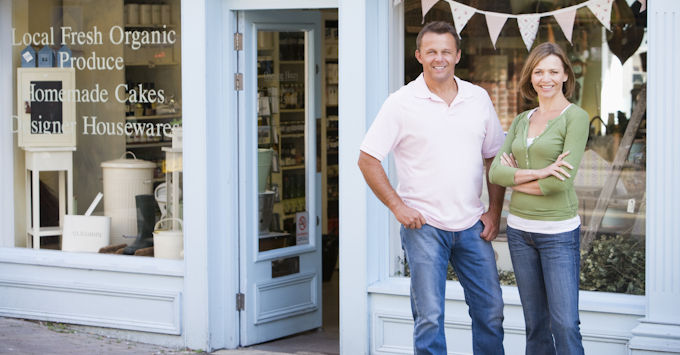
Retail stores in Phoenix cover a broad spectrum of businesses, ranging from clothing boutiques, convenience stores, and grocery markets to electronics shops, gift stores, and specialty retailers. While retail operations may appear straightforward, they involve multiple exposures related to customers, employees, inventory, and the physical store location. Managing these risks effectively requires a comprehensive approach to insurance.
Liability Coverage
One of the most common risks for retail stores is customer injury on the premises. Slips, trips, or falls can occur due to wet floors, cluttered aisles, uneven surfaces, or merchandise left out of place. Commercial General Liability (CGL) insurance may help protect the business against claims of bodily injury or property damage. For instance, if a customer trips over a display or a visitor’s property is damaged, CGL coverage may respond depending on policy terms, including legal defense costs and settlements or judgments within policy limits.
Property Protection
Inventory and equipment represent significant investments for retail businesses. Commercial Property coverage may help protect the building, fixtures, merchandise, and equipment against perils such as fire, theft, vandalism, and certain weather events. Retail stores often have perishable or seasonal inventory that could be vulnerable to damage, spoilage, or loss, and policies may include coverage extensions or add-ons for these exposures.
If a covered event forces the store to temporarily close, Business Income coverage can help replace lost revenue and pay ongoing expenses, including rent, payroll, and utilities. Even short interruptions can have a notable financial impact, particularly for small or independent stores that operate on thin margins.
Employee Injury Coverage
Employees in retail settings face various risks, including lifting injuries, slips and falls, repetitive motion injuries, and occasional confrontations with customers. Workers’ Compensation insurance is generally required for employees and may cover medical expenses, lost wages, and rehabilitation if an injury occurs on the job. Maintaining safe work practices, clear safety signage, and training staff on proper lifting techniques can help reduce exposure and may influence insurance premiums.
Retail stores may also use vehicles for deliveries, supply runs, or transporting products between locations. Commercial Auto coverage may provide protection for liability, physical damage, and medical costs associated with company-owned or leased vehicles. Coverage should reflect the type of vehicle use, mileage, and any regulatory requirements in Phoenix or the state of Arizona.
Employee theft or dishonesty is another concern for retail businesses. Crime or Employee Dishonesty coverage may help protect against theft of money, merchandise, or property by staff members or third parties. Stores that handle cash transactions, valuable merchandise, or high-volume inventory may benefit from including this coverage in their insurance program.
Retail businesses with an online presence, point-of-sale systems, or electronic customer data may also consider Cyber Liability coverage. This may help protect against data breaches, cyber-attacks, or unauthorized access to sensitive information. Policies can vary, covering costs such as notification expenses, legal fees, and potential fines or settlements.
Risk Management
Risk management practices complement insurance coverage for retail stores. These may include employee training on safe handling of merchandise, maintaining clear and clutter-free aisles, monitoring for spills or hazards, and using secure storage areas for cash and inventory. In addition, maintaining fire safety equipment, security cameras, and alarm systems can help prevent or reduce the severity of losses.
Phoenix-specific considerations for retail stores include compliance with local zoning and building codes, fire inspections, and health or safety requirements. Seasonal weather patterns, such as intense summer heat or monsoon storms, may create property and operational risks. Businesses with outdoor display areas or signage may need to ensure structures are secured against wind and other environmental factors. Additionally, stores located in high-traffic areas or near tourist destinations may face unique liability exposures due to increased foot traffic.
Optional coverages that may benefit retail stores include Equipment Breakdown for cash registers, refrigeration, or other machinery, Liquor Liability if the store sells alcohol, and Employment Practices Liability to protect against claims related to hiring, termination, or workplace discrimination.
Insurance for retail stores is most effective when it is tailored to the size of the business, the types of products sold, and the volume of customer traffic. Policies should be reviewed regularly to ensure coverage keeps pace with operational changes, seasonal inventory fluctuations, and expansions into new markets or additional store locations.
Peoples Insurance maintains a local office in the greater Phoenix area. Our agents are available to listen to your concerns and help you compare options from multiple carriers. As an independent insurance agency, we may offer broader flexibility than a captive agency, allowing coverage to be customized to the specific needs of your retail store. Contact us by phone, email, or online form to request a quote or review your coverage.


